
How Home Care in Boulder, CO Supports the Aging Community’s Independence
The Importance of Aging in Place
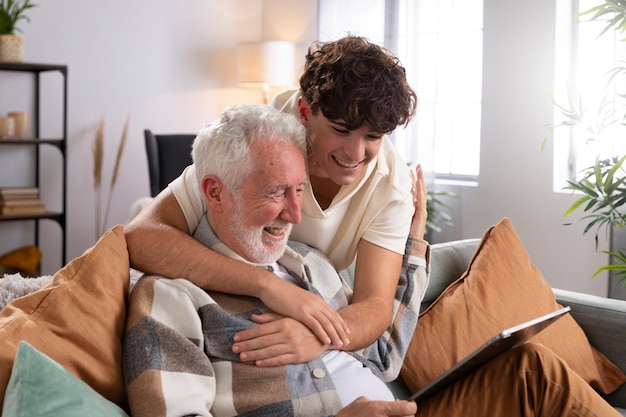
Photo by Freepik
For many seniors in Boulder, CO, the desire to age in place—living independently in the comfort of their own home—remains a top priority. Aging in place allows seniors to maintain a sense of autonomy, stay connected to their community, and enjoy the emotional comfort of their familiar surroundings. However, as seniors face the challenges of aging, including physical limitations, health conditions, and mobility issues, maintaining independence becomes more difficult.
This is where Home Care in Boulder CO plays a vital role. By providing personalized care in the comfort of a senior’s home, home care services help seniors continue to live independently while receiving the assistance they need. In this article, we’ll explore the ways in-home care supports the aging community in Boulder, CO, helping seniors retain their independence, improve their quality of life, and live with dignity.
The Role of Home Care in Supporting Senior Independence
Home care services are tailored to meet the individual needs of each senior, ensuring that they receive the right level of support to manage daily activities, maintain health, and remain independent. Whether it’s personal care assistance, companionship, or medical support, home care providers in Boulder help seniors age in place comfortably and safely.
Key ways home care supports senior independence include:
- Personalized Care Plans
- One of the greatest benefits of home care is that it is customized to each senior’s needs. Home care agencies assess the senior’s condition and create a care plan that focuses on the specific tasks they need help with, whether it’s bathing, dressing, meal preparation, or housekeeping. This personalized approach ensures that seniors receive the right level of care without feeling overwhelmed or restricted.
- Maintaining Daily Routines
- Many seniors find comfort in structured routines, and home care aides help ensure that these routines continue. Whether it’s helping with medication reminders, exercise, or meals, caregivers allow seniors to maintain their usual activities while providing support for the tasks they can no longer do alone.
- Assistance with Mobility
- As seniors age, mobility challenges often arise. Whether it’s recovering from surgery, dealing with arthritis, or managing a chronic health condition, mobility becomes a critical factor in maintaining independence. Home care aides provide assistance with walking, transferring from bed to chair, and using mobility aids like walkers or canes. This support helps seniors maintain their ability to move around the home and navigate safely, preventing falls and injuries.
- Health Management and Monitoring
- For seniors with chronic conditions such as heart disease, diabetes, or hypertension, managing medications and monitoring vital signs is essential for long-term health. Home care in Boulder CO provides caregivers who assist with medication reminders, monitor blood pressure, blood sugar levels, and ensure that seniors are following their treatment plans. By managing health effectively, home care aides help seniors avoid complications, stay healthy, and maintain independence for as long as possible.
- Companionship and Emotional Support
- Social isolation is a significant concern for many seniors, especially those living alone. Home care aides provide companionship, offering seniors someone to talk to, engage with, and share activities. This social support reduces feelings of loneliness and depression, which are common in seniors who have limited mobility or live alone. Companionship also fosters a positive mental state, allowing seniors to maintain emotional well-being, which in turn supports their ability to live independently.
How Home Care in Boulder, CO Promotes Safety and Comfort

Photo by Freepik
Aging in place is not only about maintaining independence, but also ensuring that seniors can do so safely and comfortably. For many seniors, the risk of falls or injury increases due to limited mobility, physical frailty, or cognitive decline. In-home care plays a significant role in reducing these risks and enhancing the senior’s safety.
Here’s how home care services help seniors live safely at home:
- Home Modifications and Safety Improvements
- Home care providers assess the senior’s living environment to identify any potential hazards, such as tripping risks, uneven flooring, or slippery surfaces. They can recommend simple home modifications, like installing grab bars in bathrooms, adding non-slip mats, or ensuring furniture is arranged to create clear walking paths. By making the home more mobility-friendly and safe, caregivers help seniors navigate their environment more easily.
- Fall Prevention
- Falls are a leading cause of injury among older adults. Home care aides provide support to help prevent falls, whether it’s through mobility assistance, monitoring vital signs to detect dizziness or weakness, or helping seniors with balance exercises. Additionally, caregivers ensure that seniors use mobility aids properly, reducing the risk of accidents and promoting safe movement around the home.
- Emergency Preparedness
- A key aspect of in-home care is ensuring that seniors are prepared for any potential emergencies. Home care aides assist seniors with emergency plans, ensuring that they know what to do in case of a medical emergency, such as a heart attack or fall. Caregivers also keep emergency contact information accessible and make sure that seniors have the necessary devices, like personal emergency response systems (PERS), to call for help if needed.
Supporting Seniors with Chronic Conditions
As seniors age, they often face chronic health conditions that can hinder their ability to live independently. Diseases such as heart disease, diabetes, arthritis, and chronic respiratory issues require constant management and ongoing care. For seniors in Boulder, CO, home care services offer the support necessary to help them manage these conditions at home, ensuring they stay as independent as possible while maintaining their health and quality of life.
In-home care can play a key role in helping seniors manage chronic conditions by providing assistance with medications, physical therapy, mobility, and emotional support.
- Medication Management and Monitoring
- Seniors with chronic conditions are often prescribed multiple medications. Home care aides help ensure that these medications are taken on time and in the correct dosage, minimizing the risk of medication errors that could lead to health complications or hospitalization.
- Caregivers also monitor vital signs such as blood pressure, blood sugar, and oxygen levels to track any changes in the senior’s condition. Early detection of any issues can lead to timely intervention, preventing the need for hospital readmissions and ensuring seniors stay on top of their health.
- Physical Therapy and Rehabilitation
- Many seniors with chronic conditions benefit from physical therapy to help improve strength, mobility, and overall physical function. Home care providers offer personalized rehabilitation plans tailored to the senior’s needs, helping them regain mobility and prevent muscle atrophy.
- For seniors recovering from surgery or managing conditions like arthritis or stroke, in-home care aides assist with exercises that help increase range of motion, improve balance, and enhance coordination, all while preventing falls and maintaining independence.
- Chronic Disease Education
- Home care aides can also educate seniors about managing their chronic conditions, including proper dietary guidelines, exercise routines, and lifestyle changes. This education empowers seniors to take charge of their health, fostering independence and reducing the risk of complications.
The Role of Companionship and Mental Health Support
While physical health is essential, mental and emotional well-being are equally important for seniors living independently. Social isolation and cognitive decline can negatively impact a senior’s overall quality of life, particularly for those with limited mobility or chronic conditions. Home care aides provide not only physical assistance but also much-needed companionship and emotional support, which are key to maintaining mental health.
- Combatting Isolation
- Social isolation is a common issue for seniors, especially those with chronic conditions or cognitive impairments. In-home care provides regular social interaction and companionship, which can significantly improve emotional well-being.
- Caregivers engage seniors in conversation, hobbies, and outings, offering a level of socialization that helps reduce feelings of loneliness and depression. Engaging in these activities can also stimulate cognitive function, keeping the senior’s mind sharp and active.
- Mental Health Support
- Seniors with chronic conditions often experience depression or anxiety related to their health or their limitations. Home care aides provide reassurance, actively listen to concerns, and offer emotional comfort. The presence of a caregiver helps alleviate stress and anxiety, encouraging a positive mindset and improving mental health.
- Caregivers can also help seniors manage memory loss through reminder techniques and cognitive exercises, such as memory games or reminiscence therapy, to help keep the mind active and engaged.
- Routine and Stability
- Having a regular routine can provide seniors with a sense of structure and security. Caregivers ensure that seniors follow their care plans, which often include medication schedules, meals, and exercise routines, helping seniors feel in control of their day-to-day lives. This consistency helps reduce confusion, anxiety, and frustration.
How Home Care Helps Seniors Remain Safe at Home

Photo by Freepik
Aging in place requires ensuring that the home environment is safe, accessible, and free of hazards. For seniors, even simple household tasks can become difficult or dangerous due to mobility limitations, weakness, or vision impairments. Home care services are instrumental in preventing accidents and promoting a safe living environment for seniors in Boulder, CO.
- Fall Prevention
- Falls are one of the leading causes of injury in seniors, particularly those with limited mobility or cognitive impairments. Home care aides help reduce the risk of falls by assisting with mobility and performing fall-risk assessments in the home. Aides can ensure that mobility aids such as walkers or canes are used correctly, and they can provide support when seniors are moving around the house, ensuring they don’t lose balance or trip.
- Caregivers also help with environmental safety by removing tripping hazards, installing grab bars, and securing rugs, ensuring that the living space is as safe as possible.
- Emergency Preparedness
- In-home caregivers help seniors prepare for any potential emergency situations. This may include creating a personal emergency plan that outlines how to respond to medical emergencies, falls, or accidents. Caregivers also ensure that the senior knows how to call for help if needed, whether it’s through a personal emergency response system (PERS) or other safety devices.
- Health Monitoring and Prevention
- Home care aides track vital signs and monitor symptoms to detect early signs of health issues. Whether it’s tracking blood pressure, heart rate, or blood sugar levels, caregivers provide ongoing health monitoring to catch any abnormalities early, which can prevent serious health issues from developing.
Financial Considerations for Home Care Services
One of the primary concerns for families seeking home care in Boulder, CO is the cost. While home care is often more affordable than long-term institutional care, the price can vary depending on the level of service required. Fortunately, there are ways for families to manage costs while still providing their loved ones with high-quality care.
Here are a few strategies for financial planning when considering home care services:
- Estimate the Level of Care Needed
- The first step in budgeting for home care is to assess your loved one’s specific needs. Are they recovering from surgery, managing a chronic condition, or simply needing assistance with daily tasks? Understanding the level of care required will help determine the overall cost.
- For seniors with minimal care needs, such as companionship or light housekeeping, part-time services may be sufficient and more affordable. Seniors requiring more intensive care, like nursing support or physical therapy, may need a full-time caregiver, which will increase costs.
- Explore Insurance Options
- Many families rely on long-term care insurance to cover the costs of in-home care services. If your loved one has long-term care insurance, be sure to review the policy to determine what services are covered.
- Medicaid and Medicare also provide coverage for certain in-home services, especially for seniors with chronic conditions or those recovering from surgery. Be sure to check the eligibility requirements for these programs and how they apply to home care in Boulder, CO.
- Consider Flexible Payment Plans
- Some home care agencies offer flexible payment plans to accommodate families on a budget. This might include paying on a weekly or monthly basis, depending on the level of care required. Flexible billing arrangements can make it easier to manage the financial aspect of home care while ensuring that your loved one receives the support they need.
- Use Community-Based Resources
- In addition to professional home care services, there are several local resources and community programs available to help reduce costs. Organizations like Meals on Wheels, transportation assistance programs, and senior wellness programs can supplement home care services by providing free or low-cost services, allowing families to focus their budget on the most crucial care needs.
The Emotional and Psychological Benefits of In-Home Care
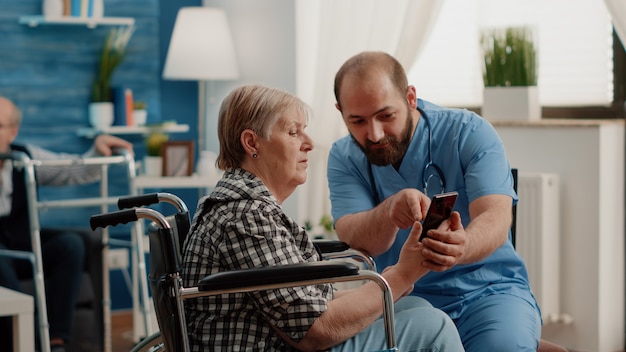
Photo by Freepik
While the financial aspects are important, emotional well-being is just as essential for seniors who are aging in place. In-home care aides do more than provide physical support—they also offer much-needed companionship and emotional support that contributes to the senior’s overall mental health.
- Reducing Loneliness and Depression
- Social isolation is a major concern for many seniors, especially those who live alone or have limited mobility. In-home care aides help reduce feelings of loneliness by providing companionship and engaging the senior in meaningful activities. Whether it’s a conversation, playing board games, or taking a walk, these activities help boost the senior’s mood and mental health.
- Promoting Cognitive Health
- Cognitive stimulation is critical for seniors, particularly those with conditions like dementia or Alzheimer’s disease. Home care providers help seniors stay mentally active by engaging them in memory exercises, reading, and other stimulating activities that promote brain health. In-home care aides also assist with memory reminders and routine tasks, helping the senior feel more in control and mentally sharp.
- Building Trust and Providing Stability
- In-home care offers consistency and trust, which is essential for seniors, particularly those with cognitive impairments. Having a familiar caregiver provides the senior with a sense of security, reducing anxiety and confusion. Caregivers build strong relationships with their clients, offering both emotional comfort and reliable support, which contributes to the senior’s sense of independence.
The Future of Home Care in Boulder, CO: A Sustainable Solution for Aging
As the senior population continues to grow in Boulder, CO, the demand for in-home care services will likely increase. With advancements in technology, personalized care, and family involvement, home care will remain a sustainable and cost-effective solution for seniors who wish to remain independent and age in place.
In the future, we may see:
- Technological Advancements in Home Care
- With the integration of telemedicine, remote health monitoring, and smart home technology, seniors will have access to tools that enhance their safety and well-being. Home care aides can use wearable devices to track vital signs or smart devices to ensure the senior’s home environment is safe and well-maintained. These advancements will make home care services even more efficient and personalized.
- Increased Focus on Preventative Care
- The future of home care is likely to focus more on preventative care. Instead of waiting for seniors to experience a health crisis or hospitalization, home care services will take a proactive approach by encouraging regular health monitoring, exercise, and nutrition. This shift toward preventative care can help reduce the need for hospital readmissions, improving long-term health outcomes and reducing overall healthcare costs.
- Collaboration with Family and Community Resources
- As home care becomes more personalized, there will be a greater emphasis on collaboration between caregivers, family members, and local community organizations. Families will be empowered to take an active role in caregiving, while professional caregivers offer the support necessary to maintain the senior’s independence. Community-based programs, such as transportation services or senior activity groups, will complement in-home care services, providing a holistic approach to senior care.
Empowering Seniors to Live Independently
Home care services in Boulder, CO are an invaluable resource for seniors who want to maintain their independence as they age. With personalized care, emotional support, and health management, in-home care helps seniors live comfortably in their homes while receiving the assistance they need.
By planning ahead, evaluating financial options, and choosing the right home care provider, families can ensure their loved ones receive the best care possible without compromising their independence or breaking their budget. With the growing demand for home care services, in-home care in Boulder CO will continue to play a pivotal role in supporting the aging community, allowing seniors to age gracefully, safely, and independently in their own homes.